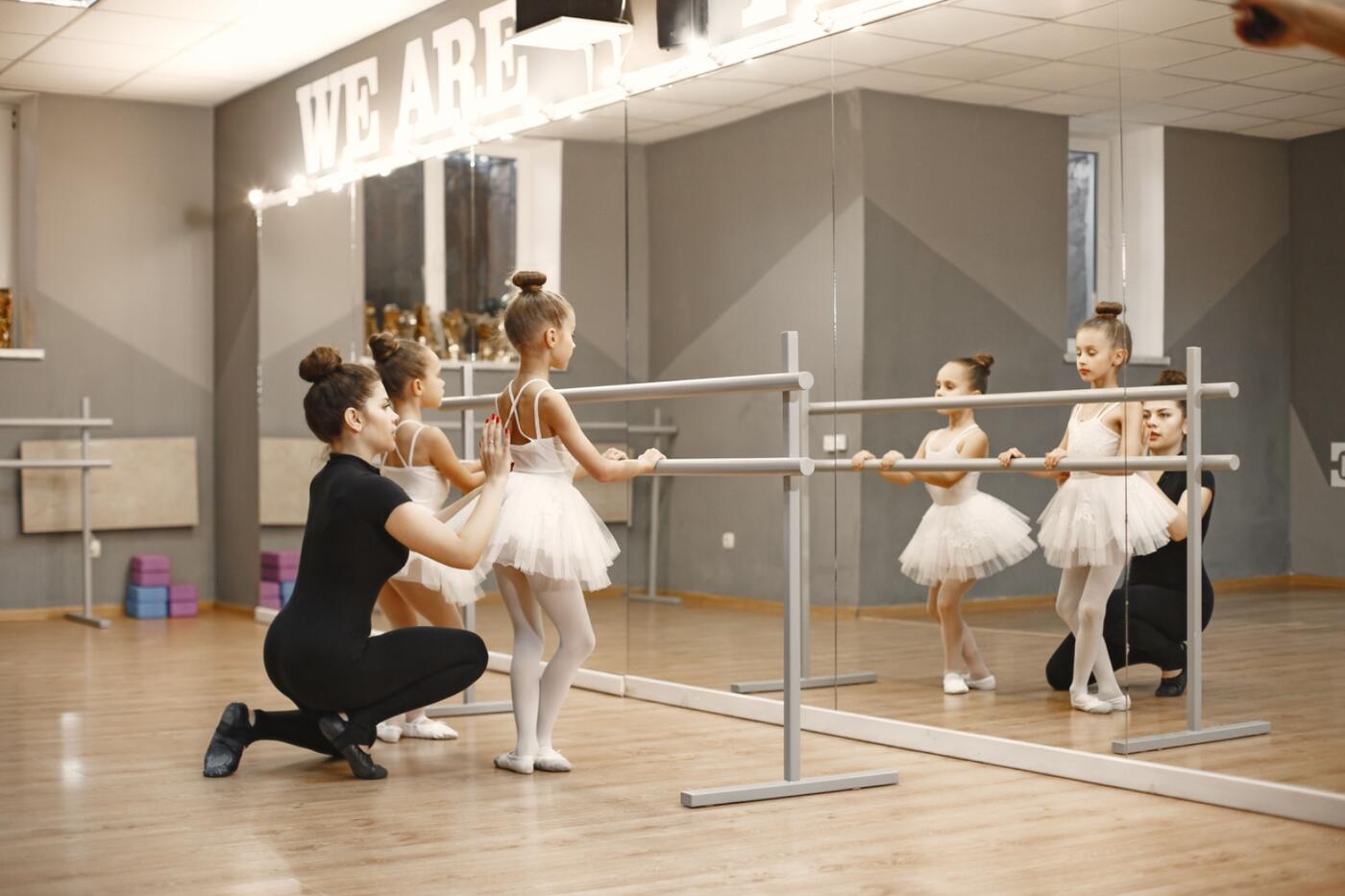
There is something truly special about raising a dancer, but it’s not always what people see from the outside. People see the stage, the costumes, the smiles, the trophies. They don’t always see the early mornings, the late nights, the tears, or the sacrifices that come with it.
Being a dance parent means alarm clocks going off before the sun rises on a weekend, rushing out the door with hair half done and a bag full of shoes, snacks and safety pins. It means late-night rehearsals where you’re watching the clock, knowing tomorrow is a school day, but also knowing how much this matters to them.
It’s a life of constant movement: driving miles to competitions, rehearsals, workshops. Your car becomes a second home. You learn routines, timings, and how to function on very little sleep. But in between all of that, there is magic.
But in between all of that, there is magic.
You watch your child find their people: friendships built on shared passion, long rehearsals and mutual understanding. They might fall out, like all kids do, but dancers have a way of finding their way back to each other. There is a bond that is hard to explain, but once you see it, you know it’s unbreakable.
There are the costumes, the chaos of quick changes, missing hairpins, last-minute fixes. And then the shows: the moment where everything comes together. The times you’ve cancelled family plans, missed events, rearranged life. But then you see your child step on stage, and suddenly it all makes sense. Watching your child perform, seeing their confidence grow, seeing them achieve something they’ve worked so hard for, is amazing.
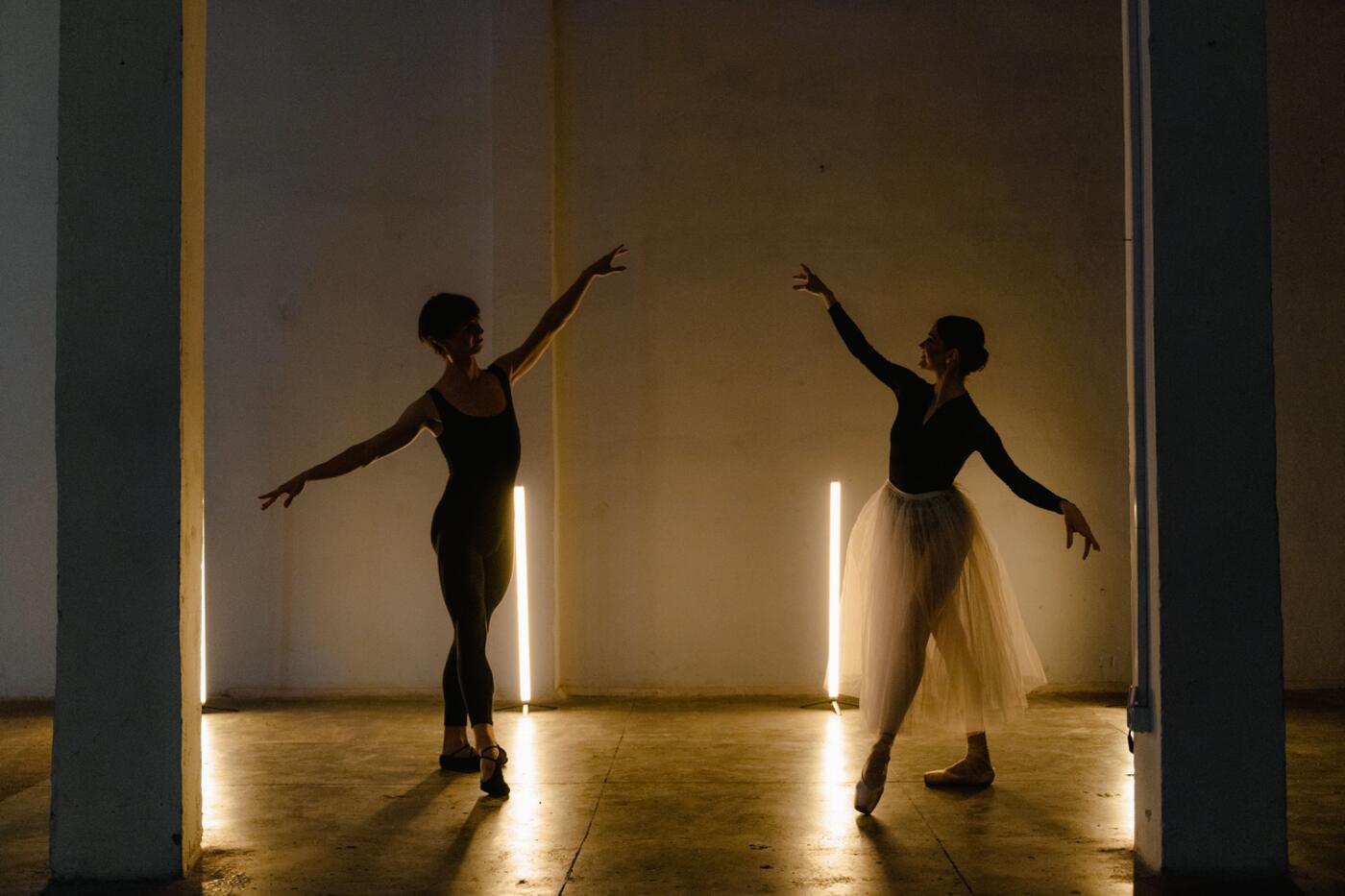
But alongside the joy, there is also the hard part.
Watching your child doubt themselves can be one of the toughest things as a parent. You want to protect them, to tell them they’re amazing, to take that doubt away. But the dance industry is tough, incredibly tough, and part of supporting them is helping them understand that reality without breaking their confidence.
It’s a constant balancing act: being supportive, but honest. Encouraging, but realistic. Soft, but also strong when they need it.
I learnt this the hard way.
With my daughter, I was incredibly tough on her. Not because I didn’t believe in her, but because I believed in her so much. I could see her talent, and I knew what it would take to succeed in an industry where there is always someone working harder, pushing further, wanting it more.
She was always hardworking, always dedicated. So I pushed. As she got older, life became more demanding: school work, dance training, extra lessons with choreographers outside her dance school. It all added up. What I couldn’t see at the time was how close she was getting to burnout. She was tired. Overwhelmed. And slowly, she stopped enjoying the thing she once loved the most.
That was the moment everything had to change.
It took a lot for me to step back, more than I expected. As a parent, especially when you see potential, it’s hard to let go of the control. But I had to listen. I had to trust her. I had to allow her to take a break.
Because dance wasn’t something she was being pushed into any more. It was something she chose to come back to.
And that break changed everything. Because dance wasn’t something she was being pushed into any more. It was something she chose to come back to. When she did, she came back stronger, happier and more driven than ever before, with a work ethic that came from within, not from pressure. That’s when I realised something important.
So many parents fall into the trap of pushing their children when they see talent. It comes from a good place: from love, from belief, from wanting the best for them. But only a few take that step back. Only a few recognise when their child needs space to grow, to breathe, to fall back in love with what they do.

Being a dance parent isn’t about getting everything right.
What I have learned through the years is that it’s about learning, adjusting, and being there, through the early mornings, the long drives, the tears, the laughter, the highs and the lows. At the end of it all, it’s not just about raising a dancer. It’s about raising a happy, confident, resilient human being. And that’s what really matters.